

I design the scaffolding that turns complex programmes, scattered data, and big ideas into workable systems
What Makes Me Different
Many experts understand data, strategy, implementation, or monitoring plans. My strength is connecting all of them. I work with data and evidence, but I also understand how they need to function inside policies, programmes, institutions, budgets, and donor frameworks. I translate technical evidence into policy and programme logic, turn fragmented activities into results-based delivery systems, and convert reporting requirements into practical tools that teams can actually use. I work with organisations that need to turn complex goals into workable systems.
I am an interpretive analyst, programme architect, and institutional systems builder. I diagnose weak programme logic, unclear roles, evidence gaps, poor data conditions, governance bottlenecks, and structures that look workable on paper but fail in practice. For problems such as “our multi-country programme cannot demonstrate impact,” “our data exists but does not tell a clear story,” “our teams report activities but donors want outcomes,” or “our structure does not support the work we are trying to deliver,” I build the architecture that helps solves them.
From analytical reconstruction to evidence-to-strategy translation, I help institutions move from ambition to implementation. That can mean turning declarations into national plans, SDG, ESG, or climate targets into monitoring strategies, technical research into policy-facing products, country data into regional findings, or institutional mandates into realistic budget logic, staffing roles, and delivery systems. I build the scaffolding that programmes run on, in ways that fit how ministries, research organisations, non-profits, international agencies, and partner companies actually operate.

My Core Consulting Services
- Multi-Source Analysis & Publication Development
- Programme & Project Rescue and Design
- Institutional & Operational Review and Realignment
- Donor Proposal & Reporting
- MONITORING, INDICATORS & Evidence SYSTEMS
- Flexible Extras
I can process and interpret data from multiple sources and turn it into structured, usable analysis. I produce cross-cutting synthesis that turns complex information pools (statistics, indicators, scores, interviews, regulations, or any other resource) into clear materials for reporting and decision-making. This includes developing full publications or preparing background and analytical documents for further work. I handle comparability problems and gaps openly, without weakening trust in the story.
Good fit if you need:
- Full publications
- Regional or national analytical reports (e.g. SDG4, education finance, GHG, policy reviews)
- Flagship publications or knowledge products
- Thematic reports combining quantitative and qualitative analysis
- Analytical and background documents
- Evidence syntheses and literature reviews
- Background papers and scoping notes
- Policy briefs and concept papers
- Analytical notes for internal decision-making
- Structured drafts for further publication development
I can, for example:
- carry out time-series, cross-institution, structural, benchmark, equity, and disaggregate analysis
- assess policy effectiveness, diagnose systems, and review quality using existing documents and materials
- synthesise large literatures into structured outputs such as syntheses, compendia, analytical discussions, frameworks, and theories
- bring cross-sector perspectives together across education, socio-demographics, finance, equity, climate, and sustainability
When to hire me:
- Large amounts of information exist but are not usable for decisions
- A report or publication needs to be developed from scratch
- Inputs from multiple experts need to be integrated into one coherent product
- Data, research, and policy perspectives need to be combined into one narrative
- An organisation needs clarity before committing to a direction
I can design or restructure programmes and projects so they become coherent, feasible, and aligned to results. I can examine struggling projects top to bottom, align stakeholders around clear-cut objectives, diagnose activity for results conversion and workplan optimization. This includes working through objectives, outputs, activities, and governance so a programme can be implemented and deliver.
Good fit if you need:
- Build whole-of-system programme / project design frameworks
- Results frameworks (objectives, outcomes, outputs, activities)
- Governance, responsibilities, and coordination structures (working groups, steering setups, individual oversight)
- Stakeholder mapping and engagement structures
- Concept notes and structured programme blueprints
- Ideate partner engagement approaches: bilateral, regional bodies, existing national / institutional processes
I can, for example:
- Review programmes or projects that are stuck in activity-tracking mode for clearer results logic
- Restructure results chains and fix fragmented purposes so activities, outputs, and outcomes connect in a coherent and realistic way
- Diagnose internal roles, decision paths, and coordination problems that block delivery, and shape workable governance (responsibilities) and team structures
- Create or repair core planning tools such as frameworks, terms of reference, and reporting formats

When to hire me:
- A programme exists but feels unclear, fragmented, or unrealistic
- A new project needs to be structured from idea to implementation
- Teams are aligned on ambition but not on how to operationalise it
- Donor or policy expectations need to be translated into a workable programme
- Work is happening, but there is no clear logic connecting it
I review how organisations function in practice and identify where structures, roles, budgeting, incentives, or processes are not aligned with objectives. I support senior leadership with a grounded, system-level view of what is working, what is not, and what needs to change. This leads to practical recommendations for improving governance, coordination, decision-making, and delivery. I also help design clearer institutional structures that connect strategic ambition with responsibilities, workflows, and accountability.
Good fit if you need:
- Operational and institutional assessment notes
- Structured diagnostic reports (roles, incentives, decision pathways, unit/team interactions or interdependencies)
- Organisational issues translated into clear observations and practical recommendations
- Advice on governance and coordination improvements (who meets, for what decisions, and how information moves)
- Revised operational structures and workflows
- Clarified roles and responsibilities across teams or partners
- Senior-level advisory notes to help shape governance, roles, terms of references, steering mechanisms, etc.
I can, for example:
- Review how a programme or organisation functions in practice and identify where roles, responsibilities, or decision pathways are unclear or misaligned
- Diagnose coordination across teams or partners and explain why they block delivery
- Analyse how decisions are currently made and where processes create loss of accountability
- Identify gaps between stated objectives and actual operational practice, including where activities drift away from intended outcomes
- Assess whether existing structures (committees, authority, reporting lines) support or hinder effective implementation
- Clarify roles and responsibilities across actors to reduce overlap, fragmentation, or dependency bottlenecks

When to hire me:
- Leadership needs a clear, structured view of what is not working and why
- To surface issues that are often felt but not clearly articulated within organisations
- Responsibilities and decision-making are unclear or overlapping
- Coordination between teams, agencies, or partners is weak
I can develop coherent funding proposals and donor-facing reports with clear logic and grounded narratives. I translate your work into donor-facing materials that are credible, structured, and aligned with donor expectations. This includes both forward-looking proposals and retrospective reporting that communicates results in a convincing but truthful way. I take ideas from early concept to submission, and help establish progress in a way that meets requirements.
Good fit if you need:
- Donor proposals
- Concept notes and full proposals
- Results frameworks adapted to donor templates
- Workplans, budgets (narrative alignment), and logframes
- Supporting narrative sections and justification texts
- Donor reporting
- Annual and final reports
- Progress updates and narrative reports
- Results-focused reporting aligned with donor expectations
- Structured summaries of achievements and lessons learned
I can, for example:
- Integrate inputs from different teams into one consistent proposal or report
- Turn programme ideas into donor-ready proposals with clear objectives, results logic, activities, risks, and sustainability
- Strengthen proposals so the narrative, evidence, and design are credible and feasible
- Draft donor-facing updates that turn technical progress into clear, credible messages
- Prepare donor reports and compliance documents that explain progress, gaps, and constraints without overstating results
- Adapt programme content to donor templates, including logframes, workplans, indicator tables, and reporting formats

When to hire me:
- A proposal needs to be developed that meets donor requirements
- Multiple inputs need to be aligned into one consistent donor document
- Reporting feels too activity-based and lacks credible results framing
- Teams need to communicate progress honestly without weakening confidence
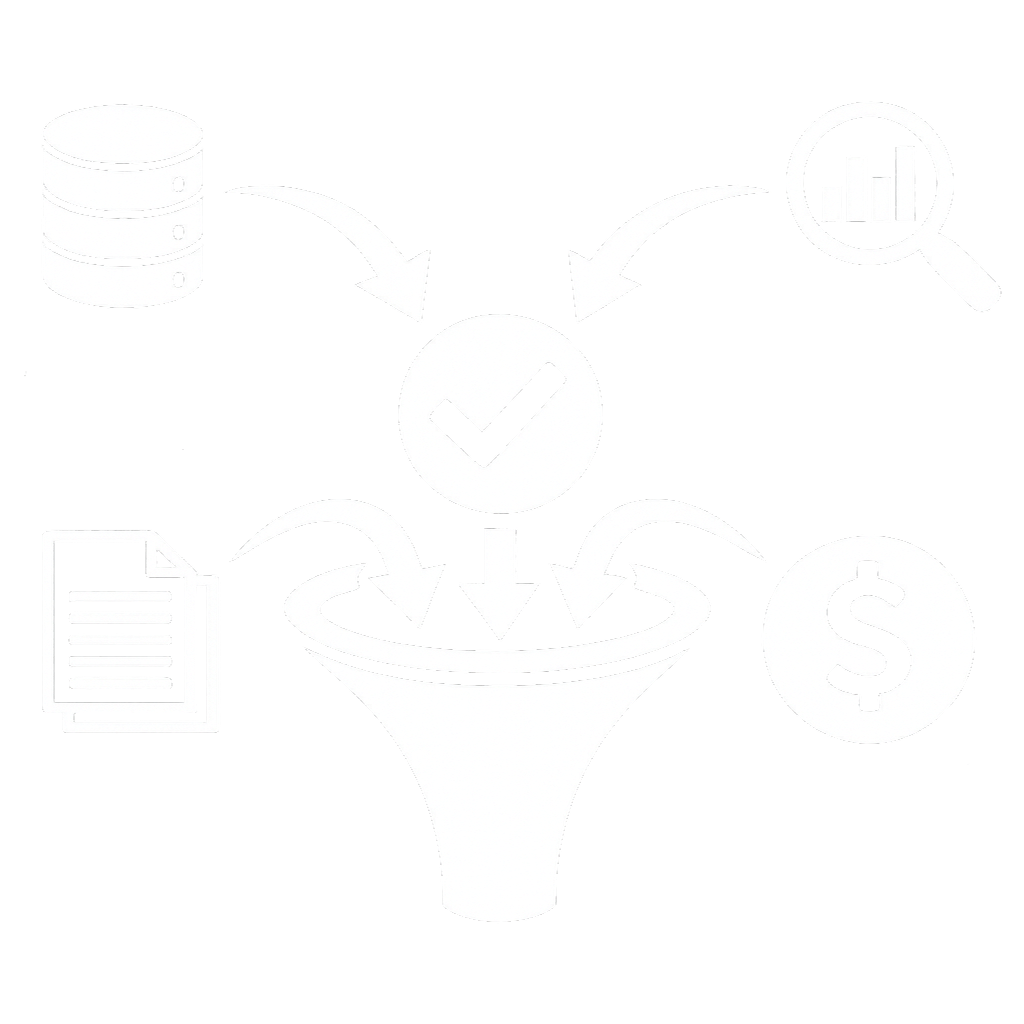
I can design or review monitoring indicator so they are coherent, feasible, and usable for decision-making. I can conceptualise or repair evidence systems so they produce trusted facts— indicator choices, shared definitions, metadata, data flows, including how different data sources fit together. This focuses on what should be monitored and whether data from different sources can be aligned and made comparable.
Good fit if you need:
- Monitoring and indicator frameworks
- Indicator definitions and metadata structures
- Data mapping across sources (administrative, survey, project, etc.)
- Reviews of existing monitoring systems and feasibility assessments
- Recommendations for improving data quality, comparability, and usability
- Structured templates and guidance for monitoring processes
I can, for example:
- Review and adapt data quality assessment frameworks and codes of practice fit-for-purpose
- Compile and strengthen indicator frameworks by aligning them with strategies, definitions, limitations, data sources, and disaggregation rules
- Assess whether proposed indicators are feasible, comparable, and useful for decision-making
- Develop benchmark targets from reference data such as historic trends, peer systems, and regional or global averages
- Align administrative data, surveys, assessments, finance data, and other sources within a coherent monitoring structure
- Clarify what is and is not comparable across indicators, systems, or reporting sources
When to hire me:
- Indicators exist but are unclear, inconsistent, or not usable
- Data are fragmented across systems and cannot be compared
- Monitoring frameworks are too ambitious or not grounded in reality
- Reporting requirements exist, but the underlying system does not support them
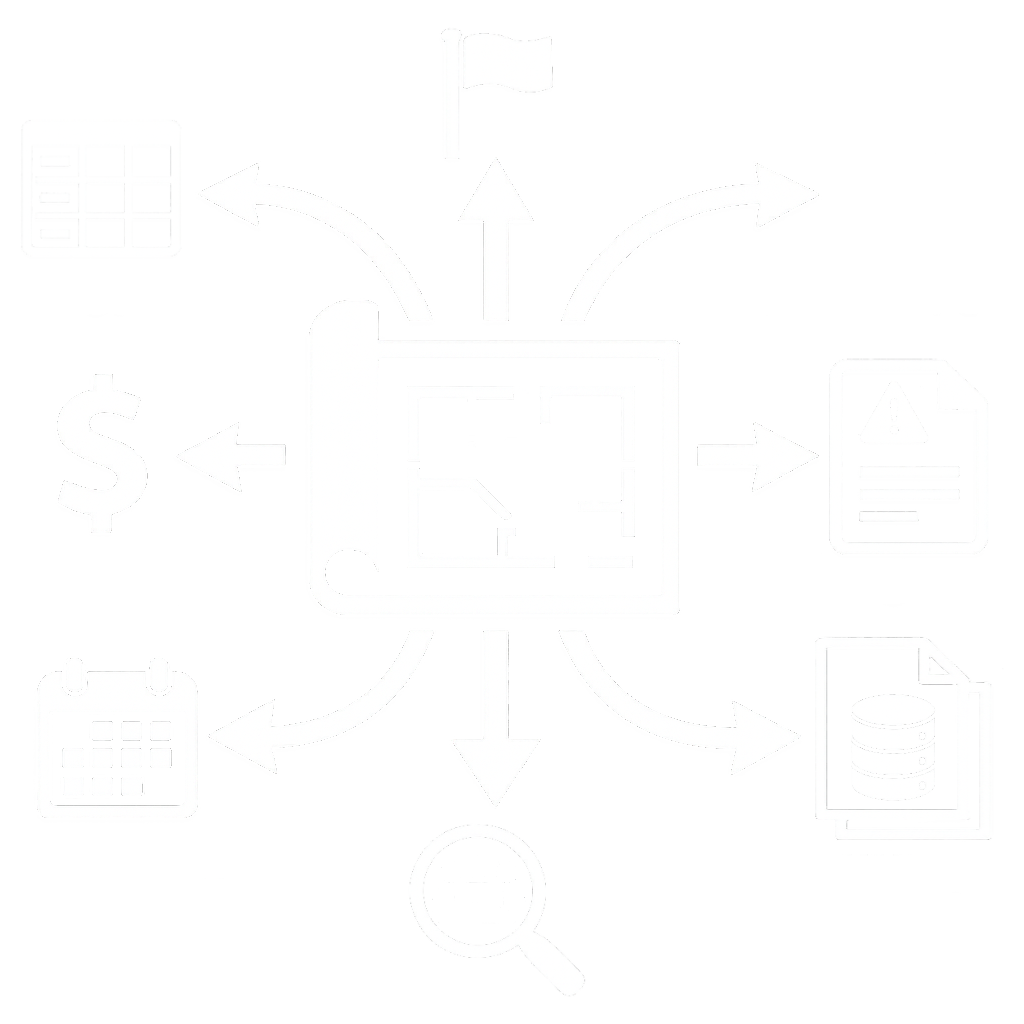
I can provide pieces of support clients often need alongside the core work. They draw on my cross-disciplinary range and my ability to translate technical work into formats different audiences can use. This includes support on specific thematic or cross-cutting aspects related to the services above, depending on the needs of a project or organisation.
I can, for example:
- Write in multiple formats, from full technical reports to short briefs, always evidence-based and explicit about limits
- Produce public-facing thought pieces, explainers, and advocacy texts that are readable for non-specialists but still accurate
- Map SDG targets and indicators into corporate logic so sustainability claims and reporting are defensible
- Translate ESG standards onto project-level indicators and monitoring frameworks
- Build equity and inclusion lenses into frameworks and analysis (gender, disability, youth, digital divide, etc.)
- Design workshops around concrete deliverables so events produce usable outputs, not just discussion (not including execution)
When to hire me:
- A project needs additional thematic depth or perspective
- Technical work needs to be translated into accessible formats
- Cross-cutting issues need to be integrated into existing frameworks
- Supporting materials are required alongside a main deliverable
- There is a need for flexibility around specific outputs or formats
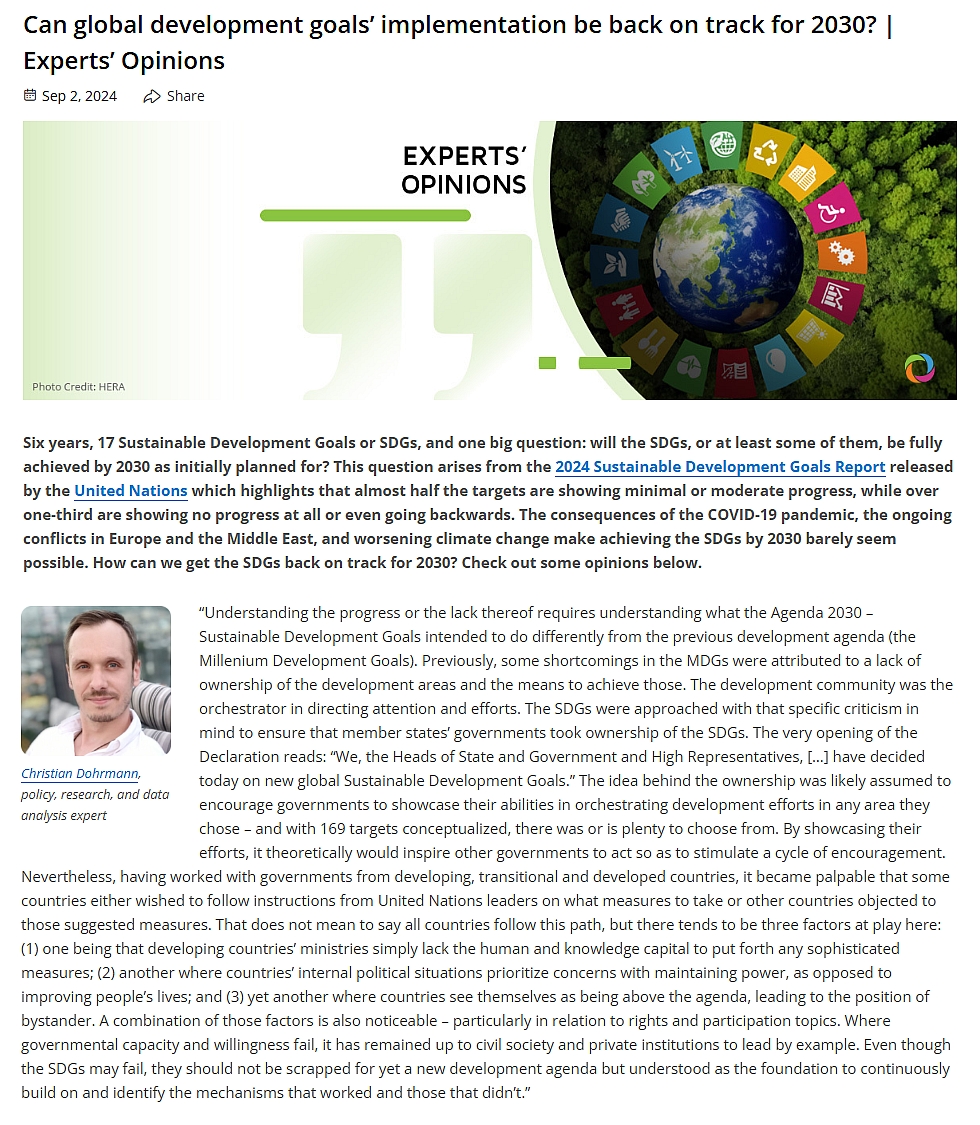
Invited to contribute expert commentary to external platforms on global development trends.
Complex Problems I Solve
The Agenda-to-Action Tangle
You have a big goal (SDG, ESG, greening education, low-emission agriculture, youth skills), but it is still a slogan. You need a full programme structure that turns it into clear pillars, outputs, activities, timelines, budgets, and real institutional responsibilities.
The Regional Comparability Headache
You are running a multi-country project, but everyone measures things differently, uses different data systems, and defines indicators in its own way. You need a shared monitoring backbone that respects realities while still producing comparable regional evidence.
The SDG-to-ESG Translation Gap
An organization wants SDG or ESG alignment, but they are working at headline level with no indicator logic behind it. You need help with translating SDG targets into measurable ESG plans and reporting that is not empty branding.
The Cross-Cutting Equity Blind Spot
Gender, disability, digital skills, or environmental learning are “part of the strategy” but not in the delivery logic. You need to build these issues into your programme and M&E design so they shape real decisions, not just footnotes.
The Overbuilt Monitoring Framework
Your indicators framework exists on paper but is too heavy for the capacity and time you actually have. You need a “workable minimum” version, aligned to third party needs with clear definitions and without losing ambition.
The Policy vs Reality Narrative
Statements say progress is happening, but trends do not show it, or they show something different. You need someone to connect policy, narratives, and evidence, and explain what is working, what is not working, and why that is.
The Data Quality Hole
Your partners submit data, but it is inconsistent across teams, over time, patchy, or just seemingly impossible to compare. You need to find out what is going on, a practical data quality approach, or clear metadata that people can actually understand and work with.
The Finance Paradox
Your country or institution seems to spend “enough” on services such as education, yet the results are weak or showing otherwise. You need to diagnose how expenditure is distributed, who pays what, and what the patterns mean in reality.
The Governance and Role Mismatch
A programme cannot run because roles are unclear, teams are mis-shaped, or ToRs do not match what the system needs. You need a sensible structure: who does what, how decisions move, and what experts or consultants are actually hired to deliver.
My Sector Experience

Regional cooperation portfolio:
Multi-country programme design in Asia-Pacific; shared indicator standards for regional reporting; country pathways that fit national systems while producing comparable regional evidence.

Education:
Education systems and Sustainable Development Goal 4 monitoring; learning, participation, and skills analysis; teachers and school environments; education for sustainable development and greening education frameworks; equity in education (gender, disability, digital skills); regional policy effectiveness analysis.

Monitoring and data:
Indicator and metadata design; education data quality frameworks; education management information review, farm-level indicators, ESG alignment for sustainability; multi-source monitoring that links administrative data, assessments, surveys, and finance; practical results-based monitoring systems for multi-country work.

Climate and environment:
Climate mitigation evidence and monitoring; carbon sequestration and nature-based solutions (including bamboo); applied environmental and air-pollution analysis; fire and land-use risk evidence; climate-linked public policy commentary; ecological/biodiversity risk analysis; low-emission agriculture systems; climate communication that links science to policy decisions.

Public finance:
Education public spending and budgeting; spending trends and benchmark analysis; funding mechanisms (grants, formulas, vouchers, scholarships); household education costs; equity and efficiency implications of finance patterns.
What People Say
“Chiang Mai Nayu Foundation had the pleasure of working with Christian. The creation of a project implementation plan, with detailed budgets and an overall working framework, in support of our Foundations sustainability indicators project. Throughout this period he provided very detailed communication. Christian is blessed with a bright mind. I highly recommend Christian to any and all organizations that seek ‘brain power’, structure, frameworks, planning, organization, communication, reporting etc. He is a Master at this.“
“Christian’s most remarkable strengths is his analytical acumen. His ability has been invaluable in driving regional studies, policy recommendations, quality assessments, and developing project approaches. He has an exceptional talent for identifying areas of improvement and offering insightful, data-driven advice. Christian is driven by maintaining high standards and finding solutions without compromising on quality.“
“He worked in a very systematic and structured way with strong determination to deliver high quality outputs. He worked closely with representatives from the civil society, local government and UN agencies to identify common ground among stakeholders and ensure individual interests were met.”
“I highly recommend Christian. He is an ideal candidate, known for his hardworking nature and sensitivity. Christian’s willingness to take on challenges, coupled with his exceptional critical thinking skills, consistently results in high-quality work. He would be a valuable asset to any team.”
“Mr. Dohrmann demonstrated the capacity of substantially contributing to our work if not going beyond expectations. It became obvious that he is capable of comprehending a variety of sustainability topics. His overall ICT literacy accentuates his profile even further.”
“He has a broad repertoire of skills that allow him to approach tasks from an analytical as well as creative perspective, all the while being pragmatic about reaching set goals. He is capable of crafting complex technical documents and thinking across disciplines.”
Regional Adviser for Monitoring, UNESCO Institute for Statistics
“Mr. Dohrmann impressed me with his commitment to getting jobs done and his strategic thinking, as well as his capacity to use creative skills and make project work innovative and appealing to diverse stakeholders, for which he was the main driving force.”
Let’s Discuss Your Needs
If your organisation needs to turn complex evidence, mandates, or programme ideas into something workable, I would be glad to hear from you.
Please send me a short message with the background of your project, where you are currently stuck, the timeframe, and your available budget or expected fee range for the work.
I will reply with clear suggestions for possible next steps and let you know honestly whether I am the right fit.
Available for:
Long-term advisory (e.g. regional programme design, multi-year frameworks, analytical research and reporting, guide development)
Short-term sprints (e.g. system evaluations, framework design and review, analysis and policy papers)
Hybrid engagements (remote + on-site)
Career Credentials & Education